)
)



Panel | Engendering inclusion and engagement: Changing the system? Gender, culture and disaster (part 3)
The gender and disasters conversation has evolved over two years at AFAC/ADRC.
Part 1 began by questioning how culture shapes masculinities and how this influences disaster leadership, response and recovery.
Part 2 centred on gender and identity, amplifying lived experiences of LGBTQIA+ people working in the emergency management sector and challenging the sector to confront exclusion, visibility, and belonging.
Part 3 brings these conversations together. Rather than revisiting identity narratives or re-litigating first principles, this panel asks what we have collectively learned and what responsibility now sits with the sector itself.
Featuring:
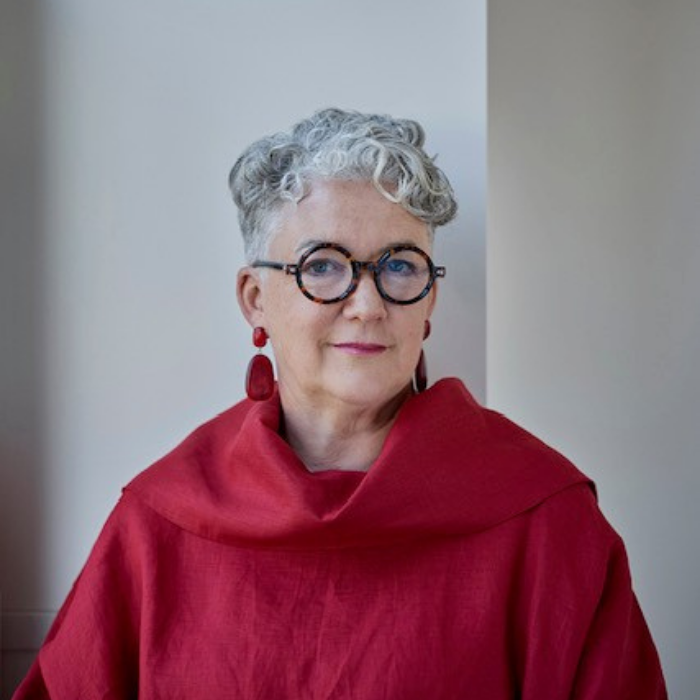
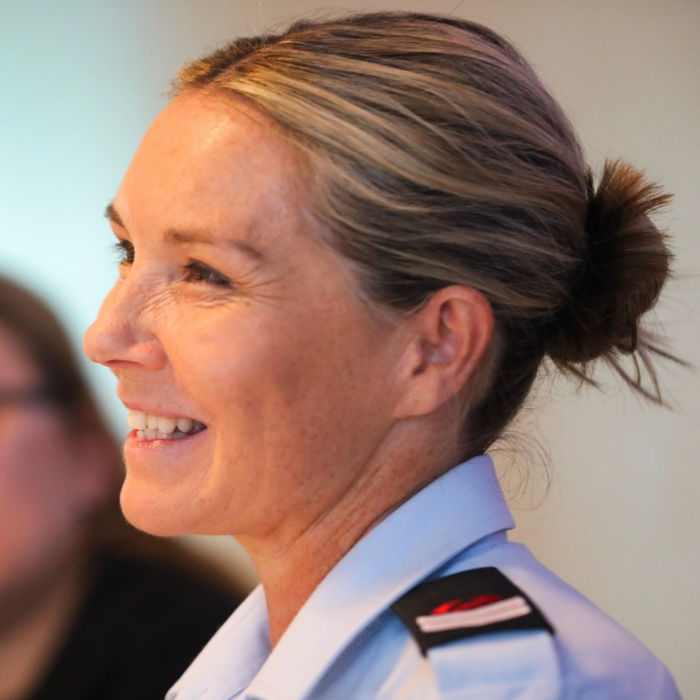
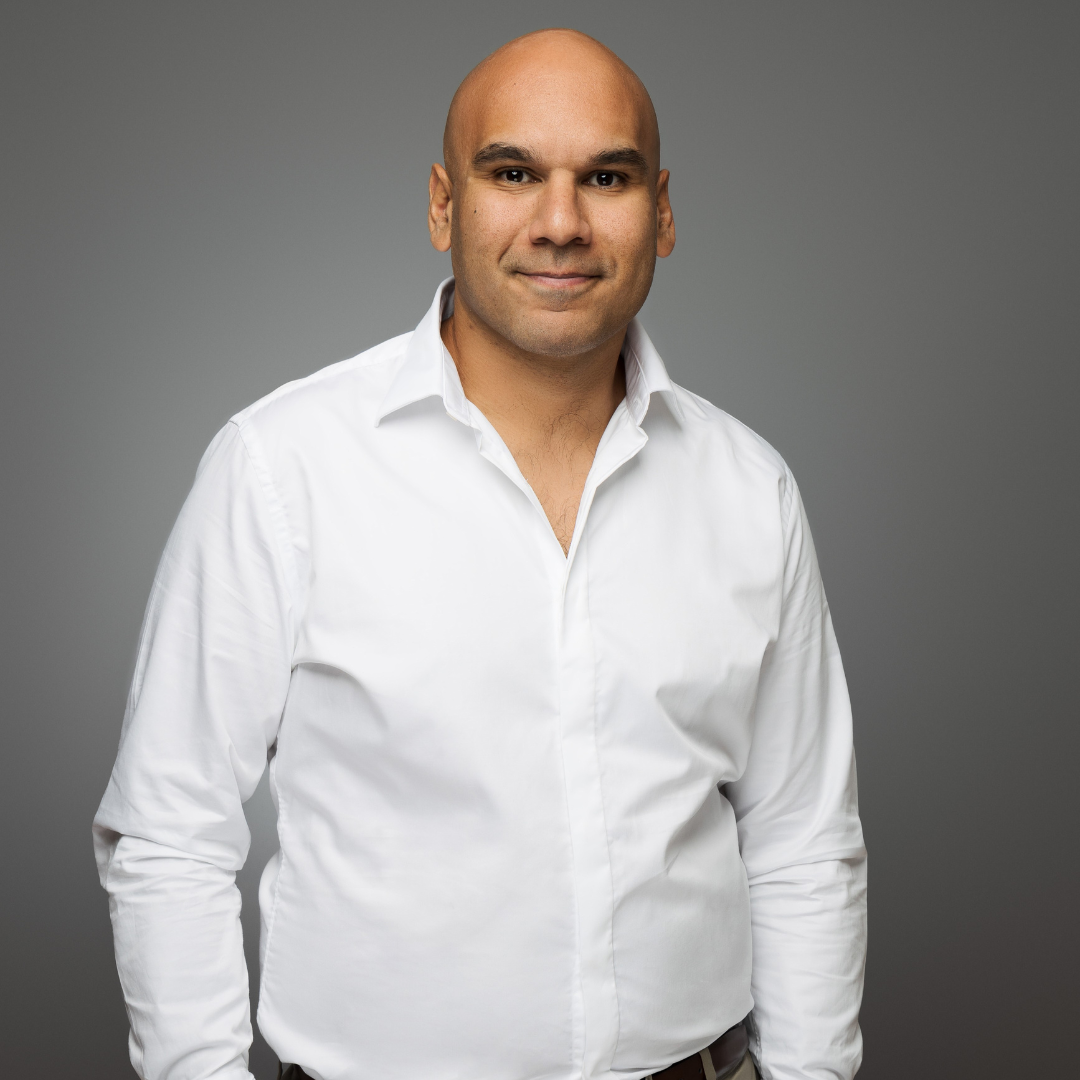
• Assoc Professor, Bhiamie Williamson
• Champions of Change Coalition, Kristen Hilton
• AFAC Deputy Chief Executive Officer, Erin Listen-Abel
• WAFA President, Melinda (Min) McDonald
• GADAus CEO, Dr Margaret Moreton (facilitator)
Aligned with AFAC 2026's theme “Leading Together: Integrity, Inclusion and Impact,” this session shifts focus from individual experience to institutional culture, leadership and systems. Drawing on insights from Parts 1 and 2, panellists reflect on how gendered assumptions, informal power structures, and organisational norms shape everyday work in emergency management, from recruitment and career pathways to leadership practice, psychological safety, and operational decision-making.
Drawing on diverse perspectives, including returning panellists, this panel creates space to ask harder, forward-looking questions: How do we embed integrity when addressing gender and sexuality in the workplace? What does inclusion look like when it is designed into systems rather than carried by individuals? And how do we measure impact beyond visibility, toward sustained cultural and organisational change?
By intentionally amplifying the learning from Parts 1 and 2, this third panel supports a maturing conversation, one that honours lived experience while focusing squarely on accountability, leadership and systems change. Participants are invited to reflect on how emergency management leaders can build workplaces that are safe, inclusive and better equipped to respond to the complex challenges of disaster.
Part 1 began by questioning how culture shapes masculinities and how this influences disaster leadership, response and recovery.
Part 2 centred on gender and identity, amplifying lived experiences of LGBTQIA+ people working in the emergency management sector and challenging the sector to confront exclusion, visibility, and belonging.
Part 3 brings these conversations together. Rather than revisiting identity narratives or re-litigating first principles, this panel asks what we have collectively learned and what responsibility now sits with the sector itself.
Featuring:
• Assoc Professor, Bhiamie Williamson
• Champions of Change Coalition, Kristen Hilton
• AFAC Deputy Chief Executive Officer, Erin Listen-Abel
• WAFA President, Melinda (Min) McDonald
• GADAus CEO, Dr Margaret Moreton (facilitator)
Aligned with AFAC 2026's theme “Leading Together: Integrity, Inclusion and Impact,” this session shifts focus from individual experience to institutional culture, leadership and systems. Drawing on insights from Parts 1 and 2, panellists reflect on how gendered assumptions, informal power structures, and organisational norms shape everyday work in emergency management, from recruitment and career pathways to leadership practice, psychological safety, and operational decision-making.
Drawing on diverse perspectives, including returning panellists, this panel creates space to ask harder, forward-looking questions: How do we embed integrity when addressing gender and sexuality in the workplace? What does inclusion look like when it is designed into systems rather than carried by individuals? And how do we measure impact beyond visibility, toward sustained cultural and organisational change?
By intentionally amplifying the learning from Parts 1 and 2, this third panel supports a maturing conversation, one that honours lived experience while focusing squarely on accountability, leadership and systems change. Participants are invited to reflect on how emergency management leaders can build workplaces that are safe, inclusive and better equipped to respond to the complex challenges of disaster.

)
)
)
)
)
)
)
)
)
)
)
)
)
)
)
)
)